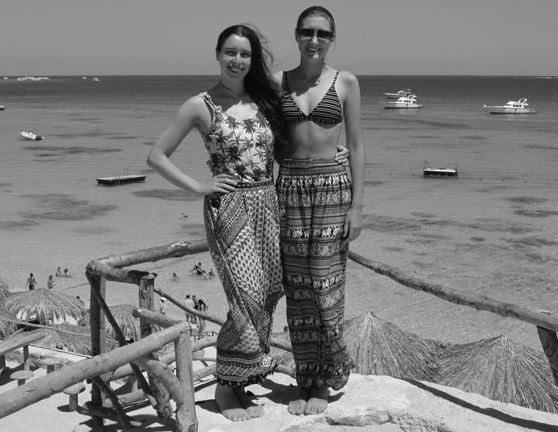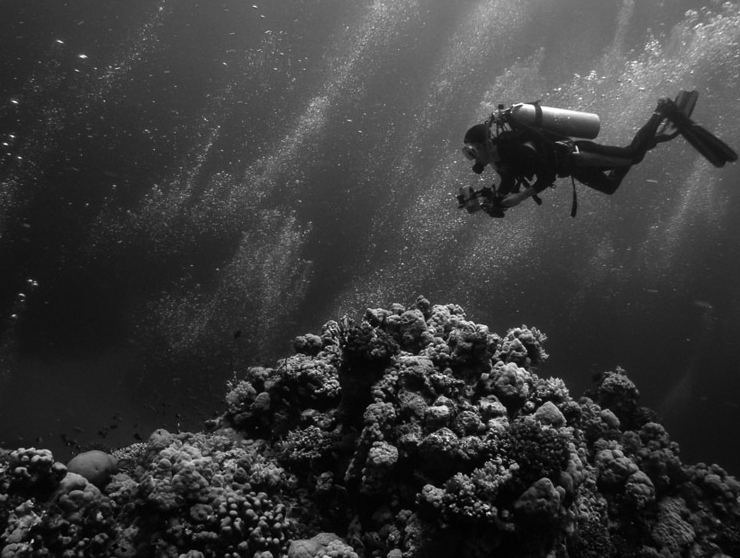

Sharm El Sheikh: City of peace as called nowadays. Sharm is the arrival point for all international flights into the Sinai Peninsula . Situated between,
 
Hurghada: Constructions and creation for this majestic city started in the early 20 th century, when Hurghada was founded. It's Located about 395 km. south of Suez,
 
Luxor: is located to the south of Cairo , one of the most important tourist destination in Egypt . It is about 416km2 and inhabitants reaches about 360, 503 inhabitant.
Egypt is one of the oldest civilizations in the world. Not only does Egypt has many tourist attractions, but also, Egypt is one of the countries that has some of the finest beaches world wide. Egypt has a moderate climate all over the year, during the winter time you can escape the cold and snow in your country by traveling to places like Luxor & Aswan in Egypt, enjoy a cruise in the Nile, etc. Whereas in the summer time, you can getaway the hot, humid weather to a nice breeze destination overlooking some of the lovely beaches in Egypt like; Sharm El-Sheikh, El-Gouna, Hurghada, or Alexandria & the North Coast.
Aswan  General Information

Egyptian Geography

Location:

Northern Africa, bordering the Mediterranean Sea, between Libya and the Gaza Strip, and the Red Sea north of Sudan, and includes the Asian Sinai Peninsula

Geographic coordinates:

27 00 N, 30 00 E

Map references:

Africa

Area:

total: 1,001,450 sq km
land: 995,450 sq km
water: 6,000 sq km

Area - comparative:

slightly more than three times the size of New Mexico

Land boundaries:

total: 2,665 km
border countries: Gaza Strip 11 km, Israel 266 km, Libya 1,115 km, Sudan 1,273 km

Coastline:

2,450 km

Maritime claims - as described in UNCLOS 1982 (see Notes and Definitions):

territorial sea: 12 NM
continental shelf: 200-m depth or to the depth of exploitation
contiguous zone: 24 NM
exclusive economic zone: 200 NM

Climate:

desert; hot, dry summers with moderate winters

Terrain:

vast desert plateau interrupted by Nile valley and delta

Elevation extremes:

lowest point: Qattara Depression -133 m
highest point: Mount Catherine 2,629 m

Natural resources:

petroleum, natural gas, iron ore, phosphates, manganese, limestone, gypsum, talc, asbestos, lead, zinc

Land use:

arable land: 2.85%
permanent crops: 0.47%
other: 96.68% (1998 est.)

Irrigated land:

33,000 sq km (1998 est.)

Natural hazards:

periodic droughts; frequent earthquakes, flash floods, landslides; hot, driving windstorm called khamsin occurs in spring; dust storms, sandstorms

Environment - current issues:

agricultural land being lost to urbanization and windblown sands; increasing soil salination below Aswan High Dam; desertification; oil pollution threatening coral reefs, beaches, and marine habitats; other water pollution from agricultural pesticides, raw sewage, and industrial effluents; very limited natural fresh water resources away from the Nile which is the only perennial water source; rapid growth in population overstraining the Nile and natural resources

Environment - international agreements:

party to: Biodiversity, Climate Change, Desertification, Endangered Species, Environmental Modification, Hazardous Wastes, Law of the Sea, Marine Dumping, Ozone Layer Protection, Ship Pollution, Tropical Timber 83, Tropical Timber 94, Wetlands
signed, but not ratified: Climate Change-Kyoto Protocol

Geography - note:

controls Sinai Peninsula, only land bridge between Africa and remainder of Eastern Hemisphere; controls Suez Canal, a sea link between Indian Ocean and Mediterranean Sea; size, and juxtaposition to Israel, establish its major role in Middle Eastern geopolitics; dependence on upstream neighbors; dominance of Nile basin issues; prone to influxes of refugees


Egypt's People

Population:

76,117,421 (July 2004 est.)

Age structure:

0-14 years: 33.4% (male 13,038,369; female 12,418,254)
15-64 years: 62.2% (male 23,953,949; female 23,419,418)
65 years and over: 4.3% (male 1,407,248; female 1,880,183) (2004 est.)

Median age:

total: 23.4 years
male: 23 years
female: 23.8 years (2004 est.)

Population growth rate:

1.83% (2004 est.)

Birth rate:

23.84 births/1,000 population (2004 est.)

Death rate:

5.3 deaths/1,000 population (2004 est.)

Net migration rate:

-0.22 migrant(s)/1,000 population (2004 est.)

Sex ratio:

at birth: 1.05 male(s)/female
under 15 years: 1.05 male(s)/female
15-64 years: 1.02 male(s)/female
65 years and over: 0.75 male(s)/female
total population: 1.02 male(s)/female (2004 est.)

Infant mortality rate:

total: 33.9 deaths/1,000 live births
female: 33.12 deaths/1,000 live births (2004 est.)
male: 34.64 deaths/1,000 live births

Life expectancy at birth:

total population: 70.71 years
male: 68.22 years
female: 73.31 years (2004 est.)

Total fertility rate:

2.95 children born/woman (2004 est.)

HIV/AIDS - adult prevalence rate:

less than 0.1% (2001 est.)

HIV/AIDS - people living with HIV/AIDS:

8,000 (2001 est.)

HIV/AIDS - deaths:

NA

Nationality:

noun: Egyptian(s)
adjective: Egyptian

Ethnic groups:

Eastern Hamitic stock (Egyptians, Bedouins, and Berbers) 99%, Greek, Nubian, Armenian, other European (primarily Italian and French) 1%

Religions:

Muslim (mostly Sunni) 94%, Coptic Christian and other 6%

Languages:

Arabic (official), English and French widely understood by educated classes

Literacy:

definition: age 15 and over can read and write
total population: 57.7%
male: 68.3%
female: 46.9% (2003 est.)


Copyright © 2005 Coral on Travel
Developed by Global Network Services (GNS )
Dakhla General Information Farafra Oasisi General Information Fayum General Information Siwa General Information Sinai General Information Alamein General Information